An individual’s belief system is created from birth, in fact, possibly even before birth. Every external message received by the mind contributes towards how an individual sees him or herself. Our belief system is the culmination of other people’s opinions, attitudes and reactions about and to our selves. During our early years we subconsciously assume these beliefs and attitudes since they are given to us by those we h old in authority and respect, ie: parents, grandparents, teachers, etc. The self-image that we build up may be either helped or hindered and is entirely dependent upon the perception of the individual and upon the attitudes and opinions foisted upon him or her. If our beliefs are left unquestioned and undoubted then we will eventually become that which we truly believe ourselves to be, whether positive or negative. Our self-image therefore becomes our true self.
As adults, we remain within our belief system because it is comfortable to do so. We feel safe and protected within our environment, even when the situation is a negative or self-damaging one. Individuals often choose to remain in their environment, even if their life is full of pain or sadness. This is because a person’s belief system reinforces the conviction that the position he or she is in, is what he or she deserves. This reinforcement of the belief system is known as a closed personal loop: one 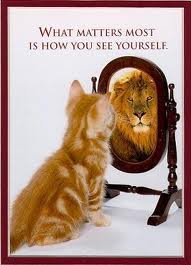 which constantly supports a person’s life-long held beliefs about himself and the way he should live his life and how his life should be. There are three parts to this loop (i) the behaviour of the person, (ii) the self-talk that he/she persists in, and (iii) his/her own self-image and his or her expectations of his/her self. However, all human beings can choose to change their beliefs and attitudes should they wish to do so, since we choose our own beliefs and attitudes in the first place.
If negative beliefs are addressed and dealt with, then behaviour and emotions will be improved. It is the responsibility of the CBT therapist to enable his or her client to assess and analyse his or her beliefs, assumptions and thoughts in order to challenge and confront them and so effect long-term, positive change.
Beliefs can hold you back forever or they can enable you to achieve your highest potential. The choice is yours.

 ect
ect 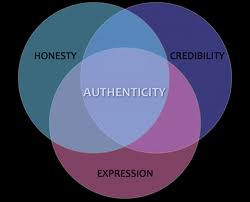 our to live your life according to these and other similar principles, then you are living your life authentically. Living authentically means having an inner integrity and being honest and up-front with yourself, in order that you can be the same with others; being self-aware and understanding what you believe, want and feel. Living your life authentically means that you assess a situation before involving yourself, you sometimes put yourself first, and you only say what you really, honestly, truthfully mean.
  rson you have become expected to be. When you live your life authentically, you become easier and less stressed to live with, happier to live with and kinder to live with. Authentic living is a win/win situation. So why not free all those thoughts and feelings around expectations of others and allow yourself to develop an inner wisdom in order to live your life through your inner self in a way that feels comfortable and right for you?
 All too often we put ourselves on the line and over-extend ourselves in order to help somebody else conserve their time and energy! Of course there is nothing wrong in helping somebody because you want to and you choose to. A problem exists when you would prefer to say “no” but find yourself saying “yes”. Stress, anxiety and burnout are common allies of people who haven’t learned how to say “no” appropriately.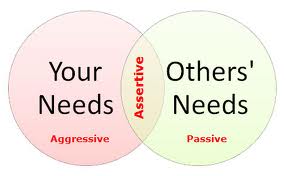
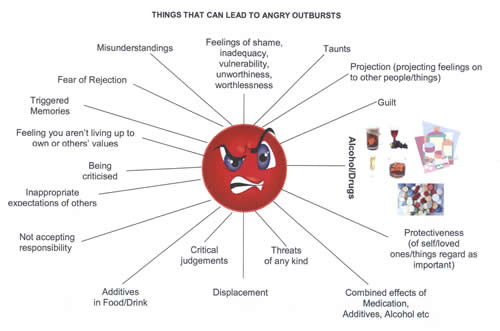
 on the other hand, is not good for anybody. It seeks to diminish the person you are angry at and at the same time diminishes you by making you feel bad. Even if you are able to justify your anger to yourself, you still have to convince other people that your behaviour is acceptable and that is not an easy task if your behaviour is inappropriate.