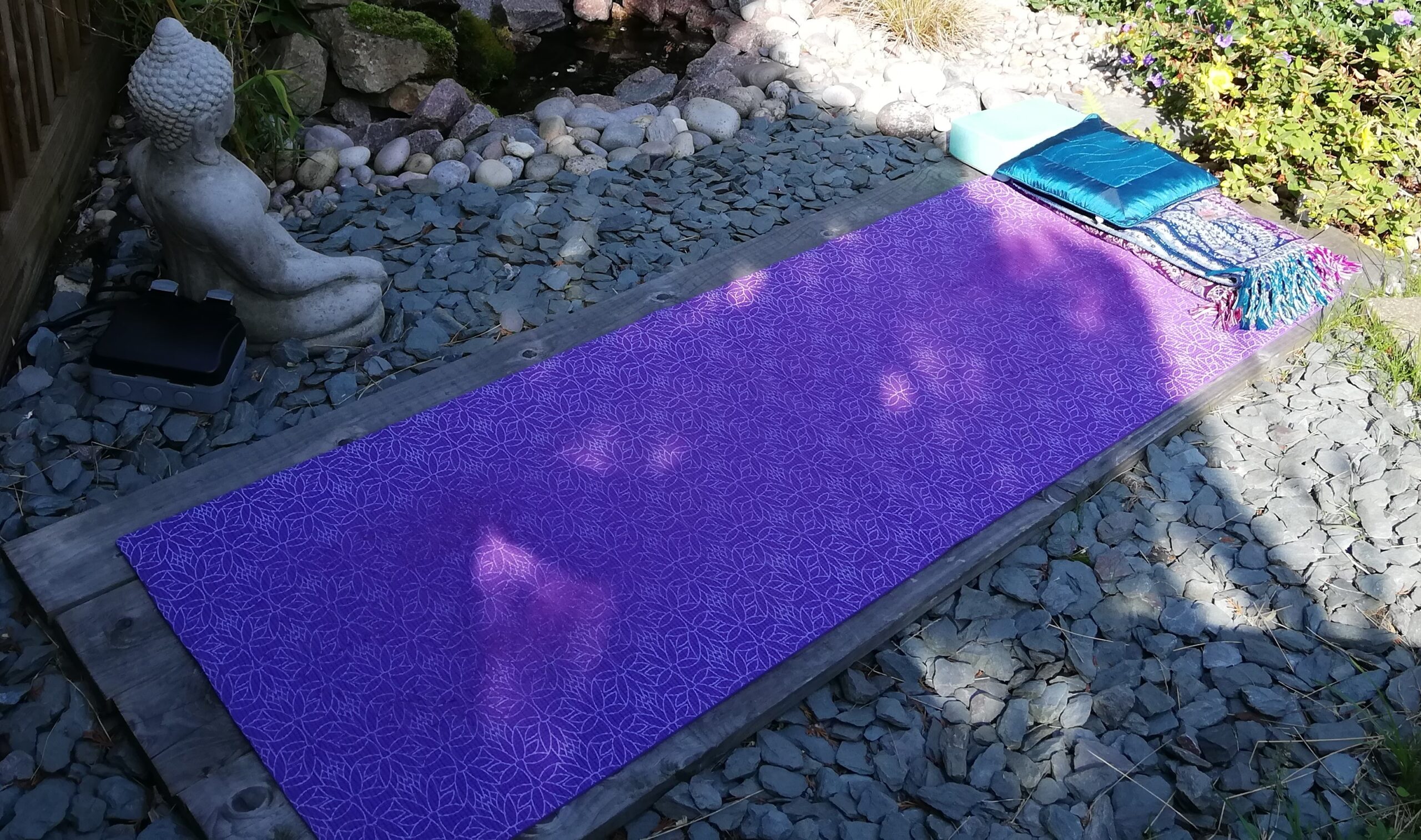
For all Budding Chair Yoga Students in the Crowland area!
There will be a second one-off Introduction to Chair Yoga Session at Crowland Community Centre on Tuesday, 13th February, from 4:00pm-5:00pm. The cost of the session is £8.00. This is likely to be the last introductory session, and if there is enough interest, it will become a regular class. So if you are interested, do please put your name down and come along!
Emphasis is given to a warm and friendly atmosphere. We will practice at a pace that suits every body, and everyone is welcome to come along and try it for themselves.
To reserve your place, or find out more, please email me at: freetothinkmail@aol.co.uk
Yoga is a multifaceted practice with many layers. It becomes a continual journey of discovery, as we approach, view and explore our practice with new perspectives. So far, we have released, listened and surrendered, and this week, we will be using affirmations to deepen our connection to our practice.
This is how it works. Every yoga posture affects the different layers of our being (our Koshas). So when we sit in Paschimottanasana (seated forward bend), we are adopting an attitude of surrender, which calms the mind (mental layer); stretches our back body, enhances our flexibility and stimulates vital organs (physical layer); improves digestion (energetic layer); connects body, mind and breath, allowing us to really listen in, with full awareness, to what it is that we are receiving from the pose (wisdom layer); and, over time, we discover a place, within the posture, where we can release, relax and enjoy the present moment exactly as it is (bliss layer).
So it follows that, if we have an opportunity to receive all of this on so many layers, with so many postures, the available benefits of a regular practice, are quite simply astounding. Once we understand the nature of a posture, we can direct our focus towards a particular aspect or benefit of that posture. One of the ways in which we might do this is through affirmation. Affirmation, like traditional mantra, works on the mental layer of our being (Manomaya Kosha). When we mentally affirm a benefit of the posture, it encourages us to recognise and invite that benefit (wisdom layer). It gives us focus, purpose and a positive connection with, and to the posture (mental layer); and it creates and reinforces positive neural pathways in our brains (physical and energetic layers). So this week, we shall be using affirmations with each of our postures, in order that we might consciously direct our attention, deepen our awareness and receive some of the essential gifts of each pose.
If you would like to experience yoga, rather than just read about it, I can be contacted in the following ways: Telephone/text/WhatsApp: 07817623330; email: freetothinkmail@aol.com; or message me on Facebook: Free To Think.
Have you ever experienced that sense of bliss as you sink into a pose, feel your body open out towards its edges, and then remain there in the moment as you slowly release, and release, and release? If you have, then you were probably practicing yin yoga.
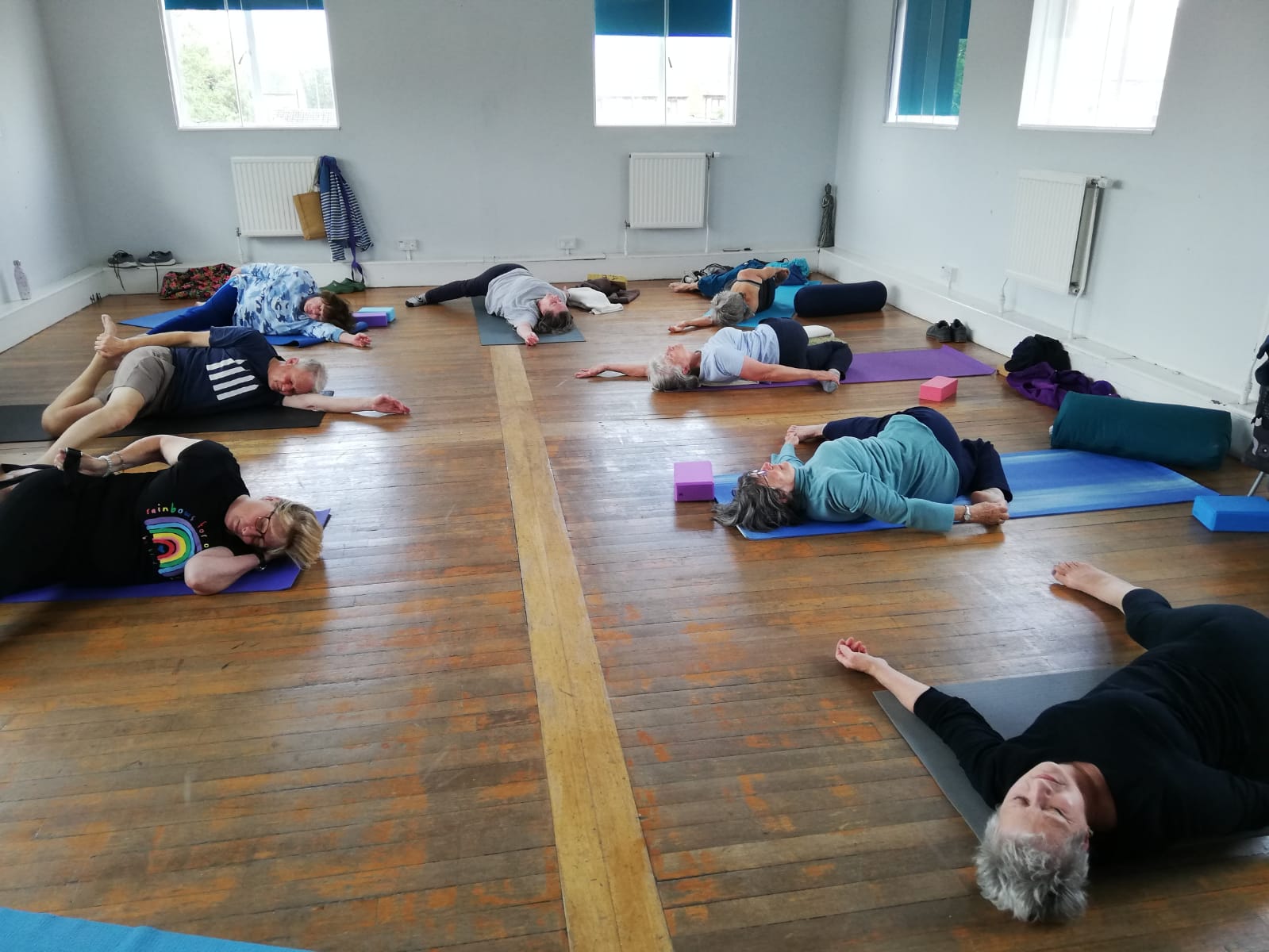
Yin differs from our usual hatha practice in many ways. A more usual Yang practice seeks to warm the muscles and encourage opening and stretching of the muscles to build a combination of physical strength and flexibility, a deeper connection between the body, mind and breath, and an overall holistic sense of wellbeing. Yin focuses on the less pliable connective tissues (the fascia, ligaments, tendons and joints), those parts of us that give us structure, that are more stable and less able to move and stretch. This is why we hold yin postures for longer, as we patiently allow these areas time to slowly open up and release.
Only when we surrender in the pose can we truly experience Yin
To give you a better sense of how it differs, let me introduce you to some of my favourite yin yoga teachers.
Yoga teacher and author Norman Blair uses the following words to describe the experience of yin: “slowing, surrendering, merging, sinking, allowing” … So yin can be about embodying the delicious feeling of becoming one with the body, mind and breath …
In his book The Complete Guide to Yin Yoga, teacher and author Bernie Clark encourages us to keep in mind that “how we practice is much more important than what we practice.” He tells us that “Too often, students force themselves into contorted positions with no regard for whether what they are doing is helping them or hurting them.” And, my favourite teaching of his: “We do not use the body to get into a pose, we use the pose to get into the body” … So yin is also about the intention behind our practice, one of ahimsa or non-harming …
Yoga Teacher Sarah Powers, reminds us that yoga is “a transformative vehicle”, and that yin serves to “not only increase my physical agility, but to stabilise and replenish my energetic vitality and mental clarity as well” … So yin is also about connecting with, and stimulating a different type of energy to yang yoga …
And yet yin is so much more … We may share some of the larger understandings mentioned above however, as is usually the case in all aspects of life, the experience of yin is completely personal and different for every person who rolls out their mat. And so, we can safely conclude, that yin yoga is an opportunity to pause, soften, connect to and enjoy the moment exactly as it is – and how remarkable is that – yin, like life itself, asks to be felt, explored, acknowledged and appreciated, just as it is at that moment in time.
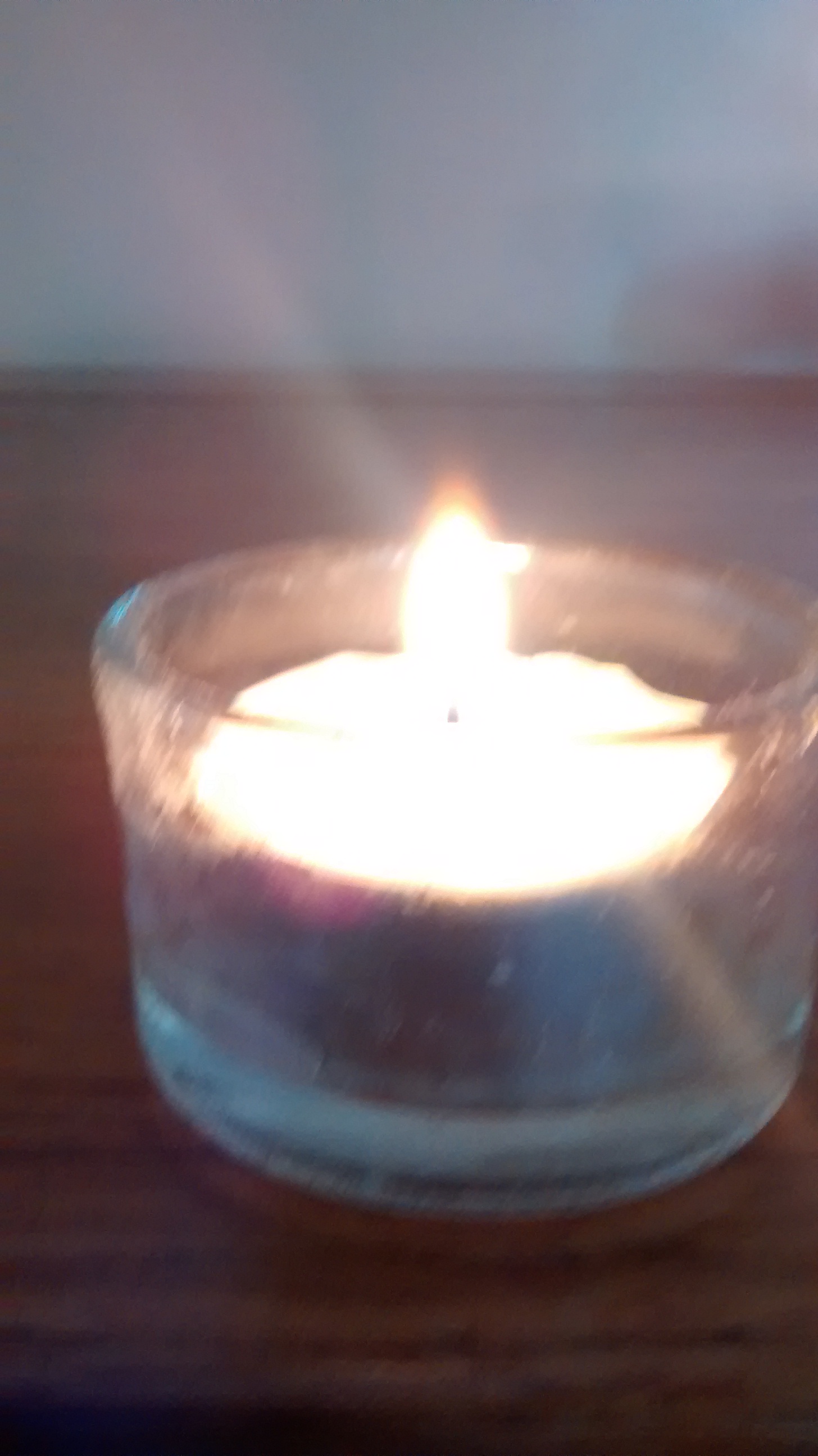
As with a candle flame – the experience of Yin exists in the present moment
And finally, I just want to point out that yin yoga is not restorative yoga. Restorative yoga is a therapeutic practice that can be practised with the intention to heal damaged aspects of our body and our Selves. Restorative yoga is more subtle than yin, encouraging a still deeper level of connection and communication with all of our many layers, it has a different purpose for a different outcome, and therefore cannot be replaced by yin.
If you would prefer to experience yin, rather than just read about it, come along and roll out your mat with me.
Telephone/text/WhatsApp: 07817623330; email: freetothinkmail@aol.com; or message me on Facebook: Free To Think
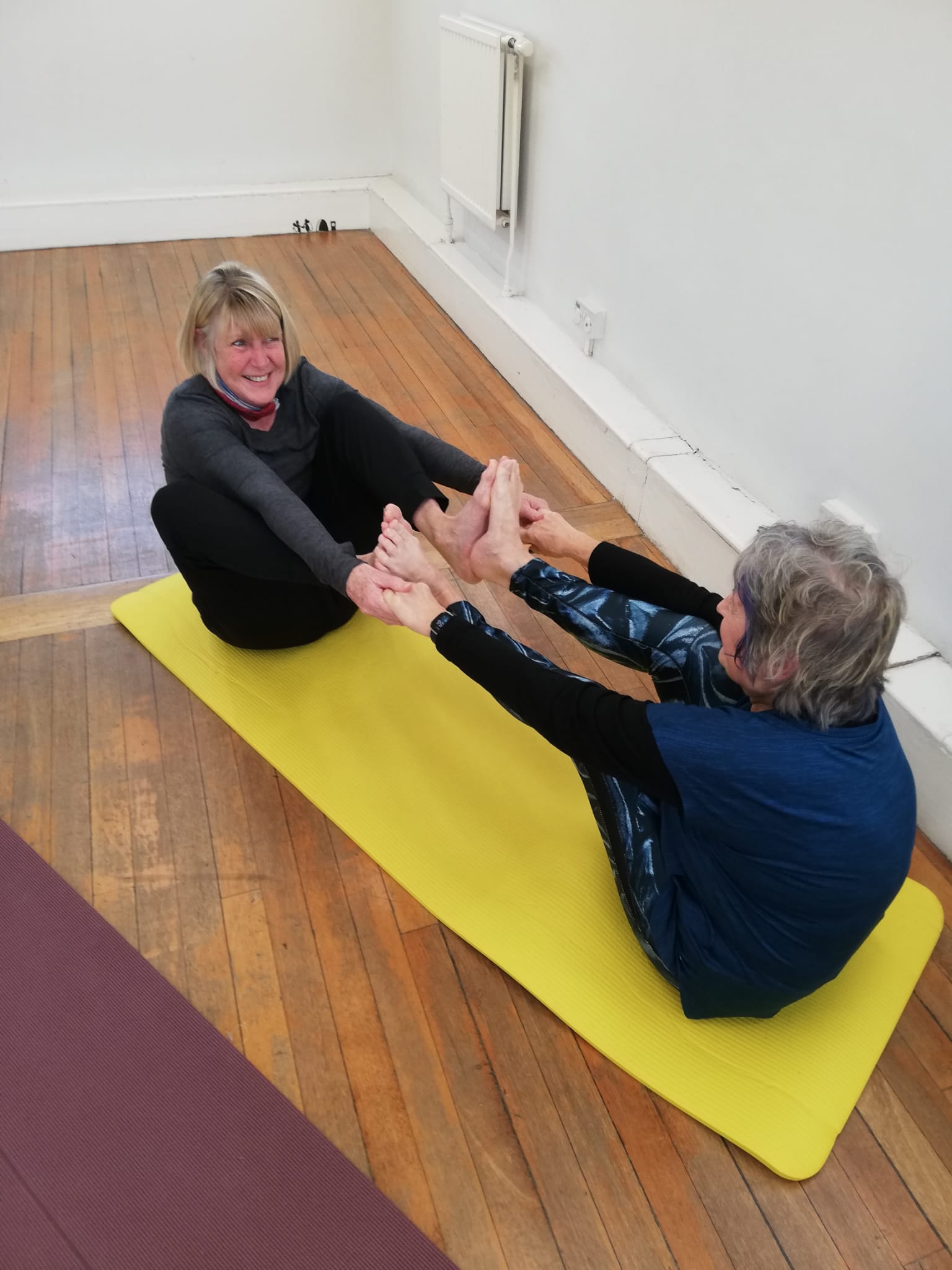
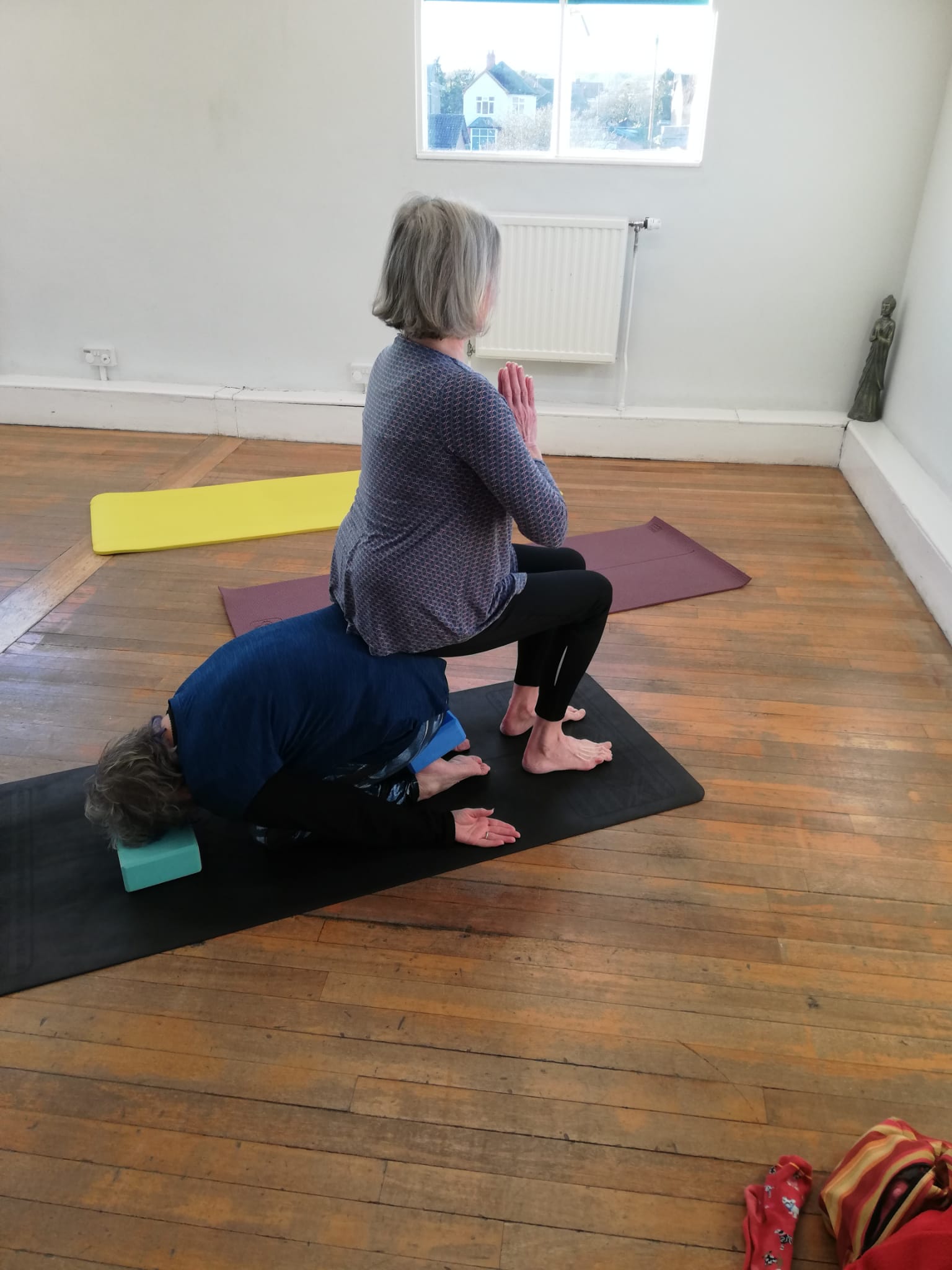
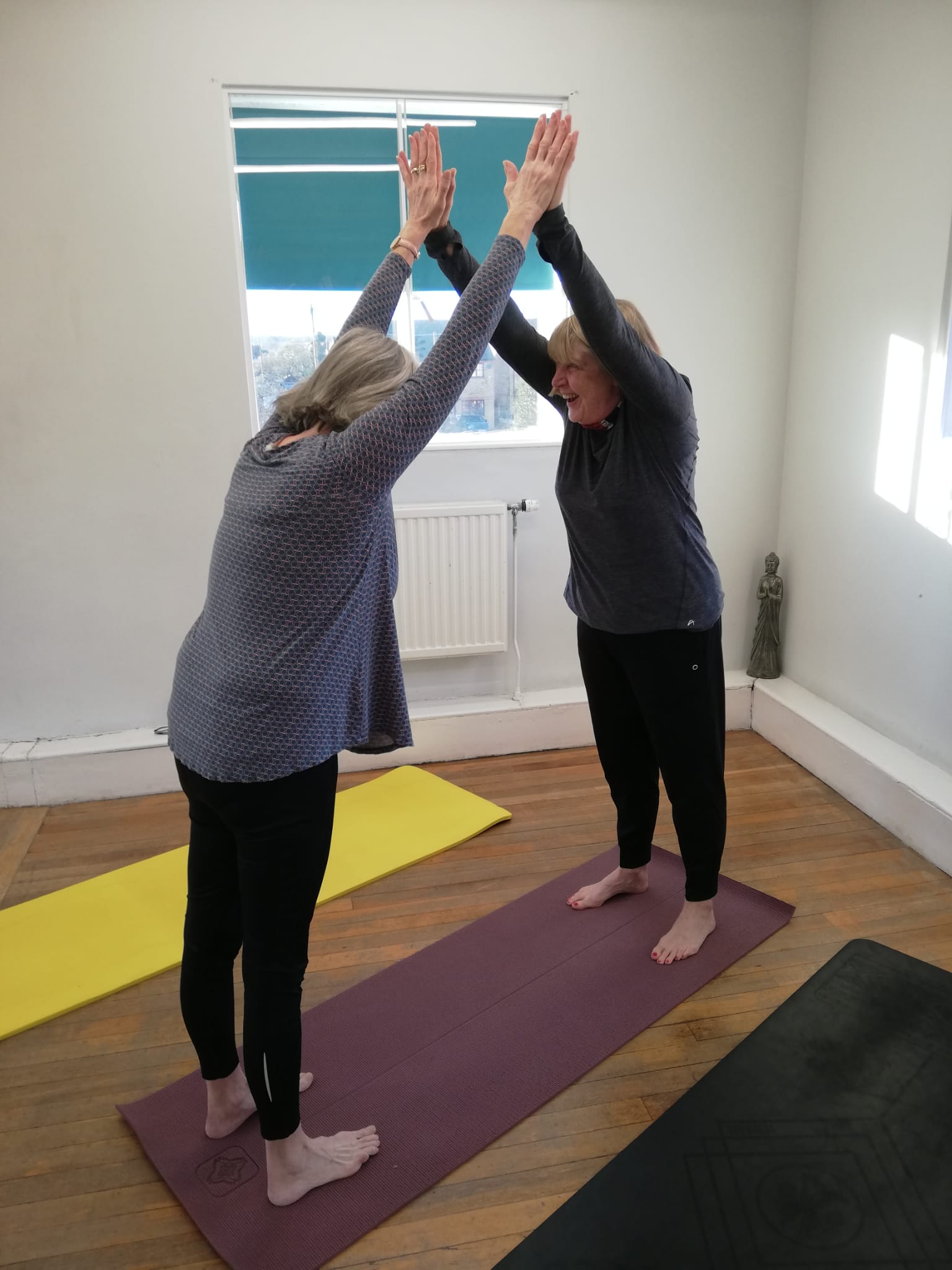
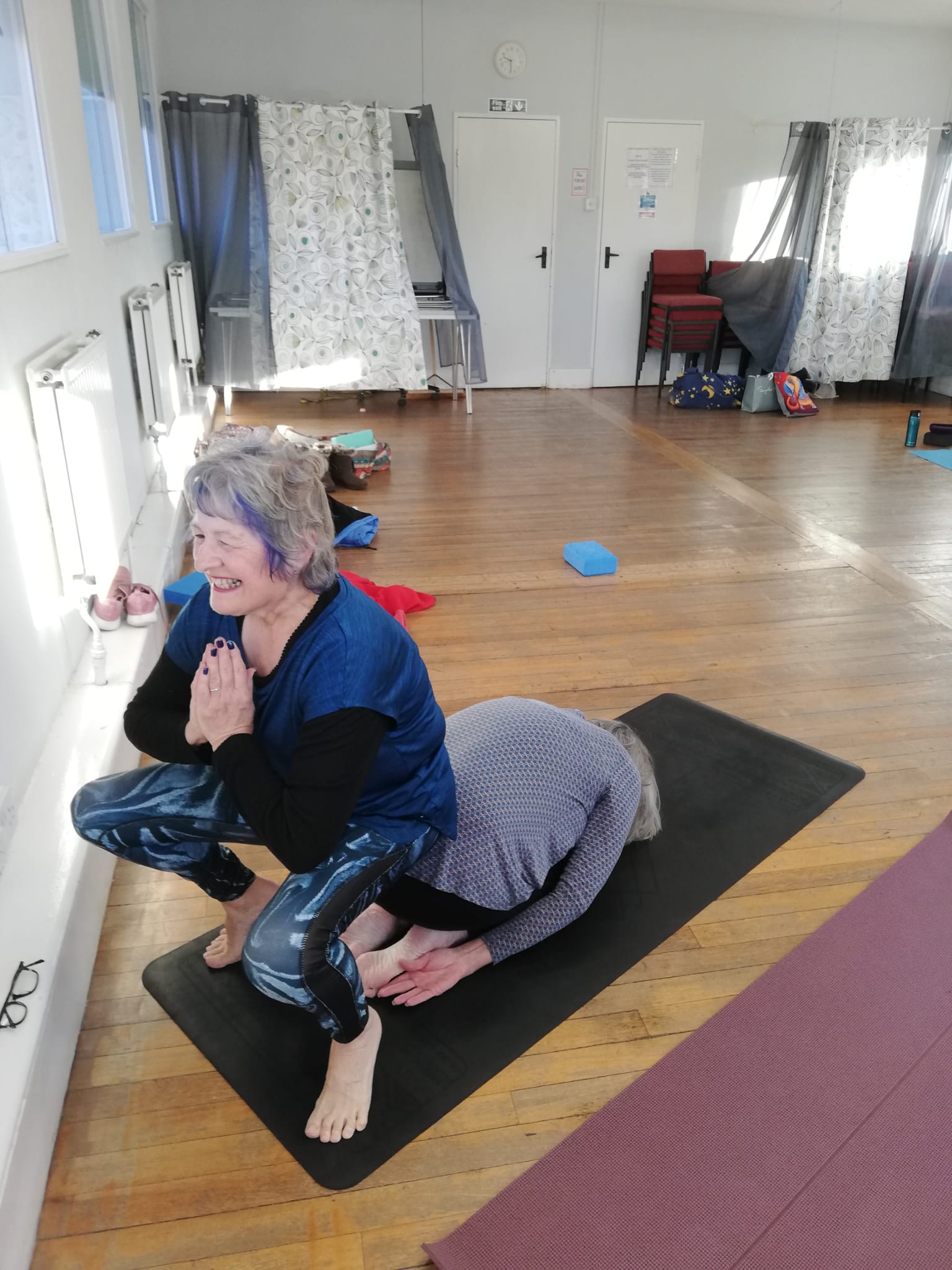
When we get on to our mat, the tendency is to bring the awareness inwards and focus on what’s happening in our own inner world. Sometimes, however, it is fun to experiment with others and bring our awareness and attention to the outside world. Working with a partner enables us to deepen the posture, develop trust and patience, and deepen our sense of inter-connectedness with our fellow students.
Together we can be introspective …
Supportive …
And know how it feels to experience peace and joy at the same time!
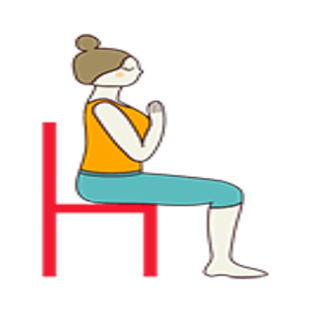
A one hour session for students to try out Chair Yoga and experience the benefits first-hand. If you have ever wondered about Chair Yoga, now is your opportunity to come along and find out all about it!
At Crowland Community Hall, Crowland on Tuesday, 9th January from 4:45pm-5:45pm. Numbers will be limited, £8:00 per person. For more information: Contact Sarah, or Telephone/Text/WhatsApp: 07817623330. Email: freetothinkmail@aol.com. Facebook: Free To Think.
Classes cost £8:00 per session and run from 1:30-2:45pm every Thursday. Each class includes yoga postures, breathing, relaxation and mindfulness/meditation.
We are a very friendly group, of mixed ability, so it doesn’t matter whether you have a dodgy knee, a dickie back or have simply never got around to practising yoga before. If you fancy giving yourself a break from the everyday hustle and bustle, why not come along and join us.
For more information please contact Sarah – Telephone, text, WhatsApp: 07817623330. Email: freetothink.co.uk. Facebook: Free To Think.
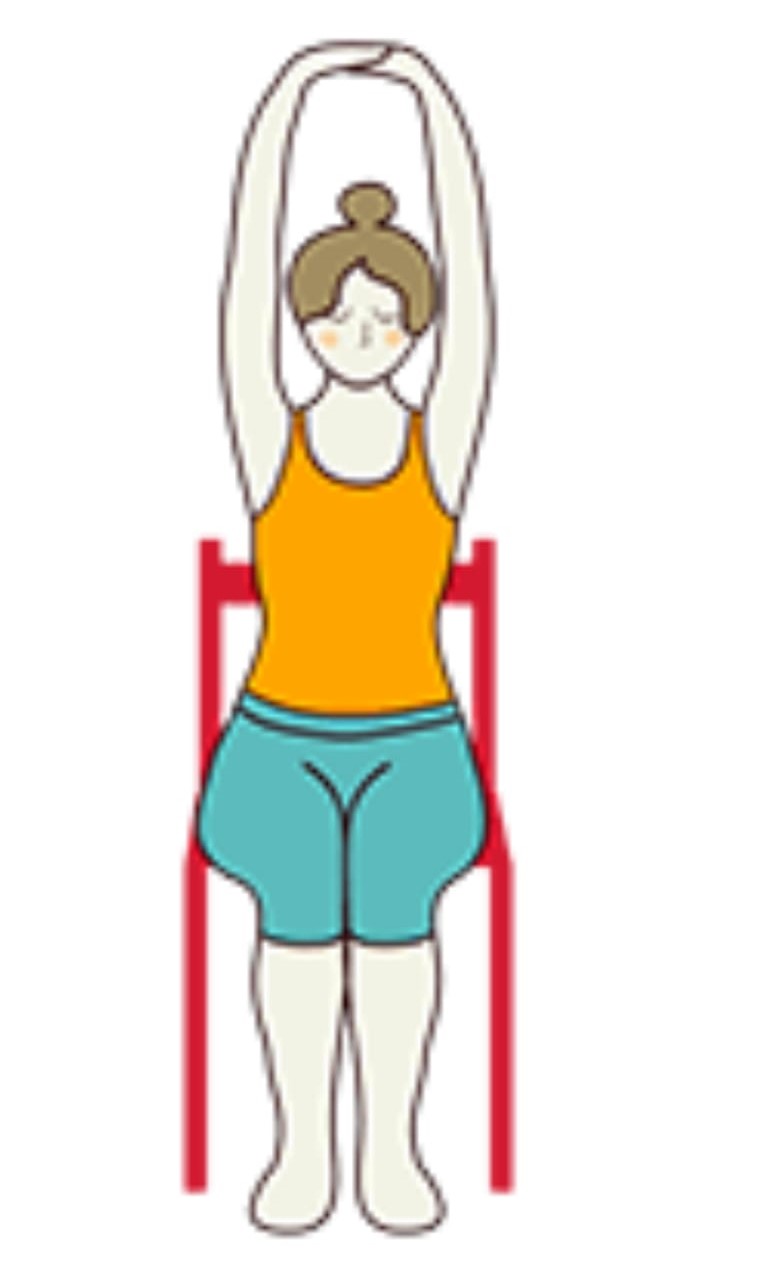
If you have ever wondered what chair yoga actually is …
It is a form of yoga aimed towards the less able.
It is traditional yoga, with the aid of a chair.
You do not have to get up from your chair at all throughout the session.
It can be gentle, or not so gentle, and is easily adapted according to ability.
It is suitable for any age or ability.
It is practiced in welcoming and non-judgemental environment.
The aim of yoga is to allow things to happen in their own time, without force, self-criticism or judgement.
It can be silent or loud.
It is an opportunity to practice with others of similar ability.
Many yoga practices do not have to be changed, as they are naturally carried out in stillness some of these practices are: Pranayama (breathing); Mindfulness; Meditation; Relaxation; Visualisation; Yoga Nidra (yogic sleep); Mantra (vocal or silent repetition of one or more words); Mudra (hand and body gestures); bandha (locks or seals); philosophy.
It can be a lot of fun!
If you are curious and would like to give it a try, I am holding an Introduction to Chair Yoga session at Wake House in Bourne on Thursday, 24th August. The session will take place in the Baxter Room (so no stairs to navigate). No need to bring anything with you, just wear loose clothing.
Space will be limited, so please let Sarah know if you are planning on attending: Telephone/Text/Whatsapp: 07817623330, email: freetothinkmail@aol.com, or facebook: Free To Think
Because so many of you have asked me about when to bring bolsters and other yoga props to class, I thought I would simplify matters and recap on here, so dig out your yoga bag and get packing!
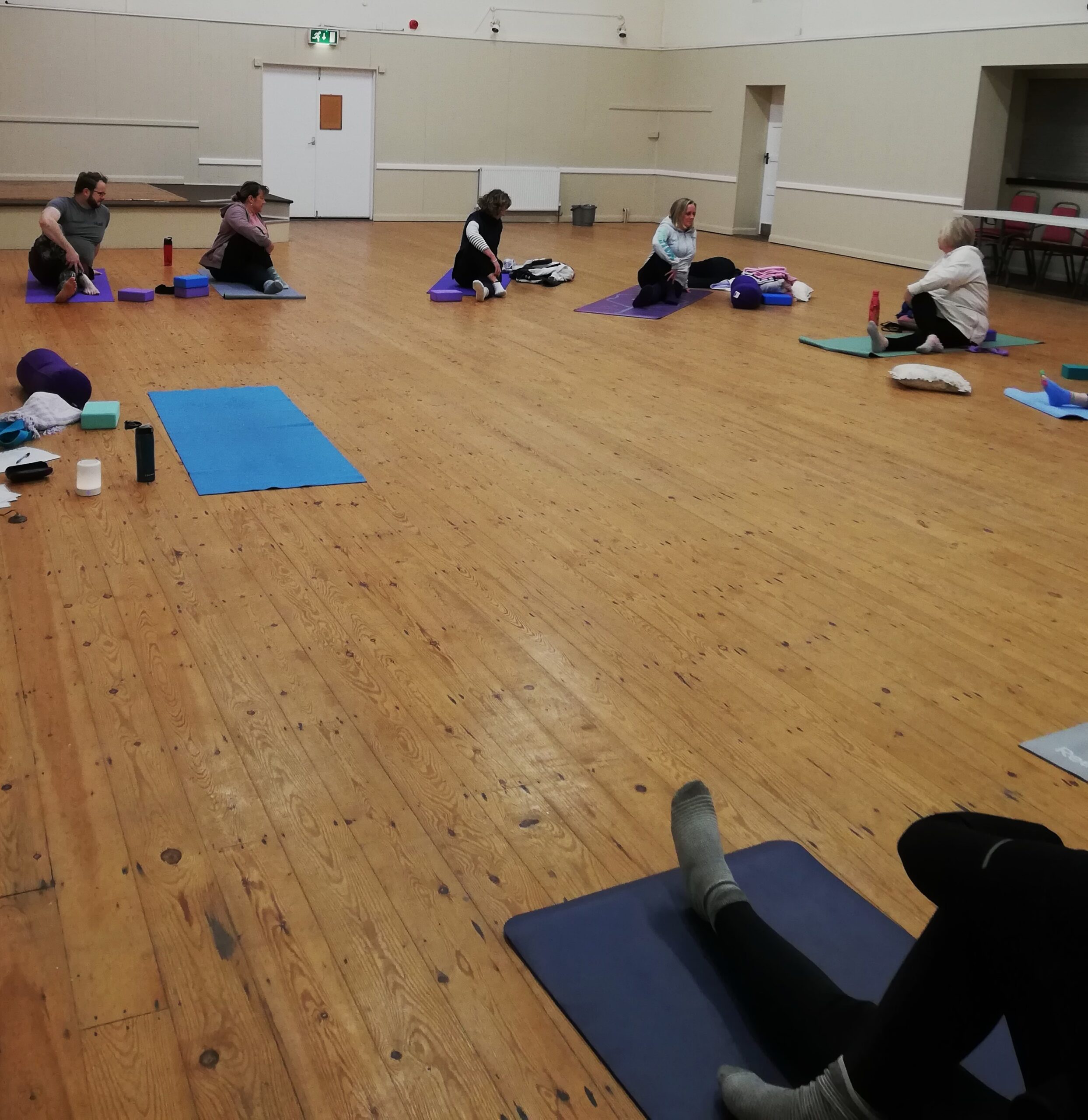
Most weeks we practice hatha yoga with a yang asana (posture) practice. For those classes you will need:
Your mat!
Ideally, you will also have:
2 x “brick” type blocks. 1 x a yoga belt. 1 x non-fluffy blanket.
Yin classes are held in the last week of the first month of each yoga term (so normally week four, sometimes week five). The primary focus for a yin asana practices is to work on the fascia in the body (including tendons and ligaments). The pace of the class is slower, allowing time for the fascia within the body to open and stretch. This often allows us to release stuck energy more fully. The intention of a yin practice is to “be” rather than ”do”.
For yin classes you will want to bring everything you would normally bring to a yang class. You will need blocks and a strap, so if you have neither, then please bring:
2 x small, firm cushions. 1 x dressing gown cord or similar.
Ideally also bring:
1 x yoga bolster, or 2 firm pillows.
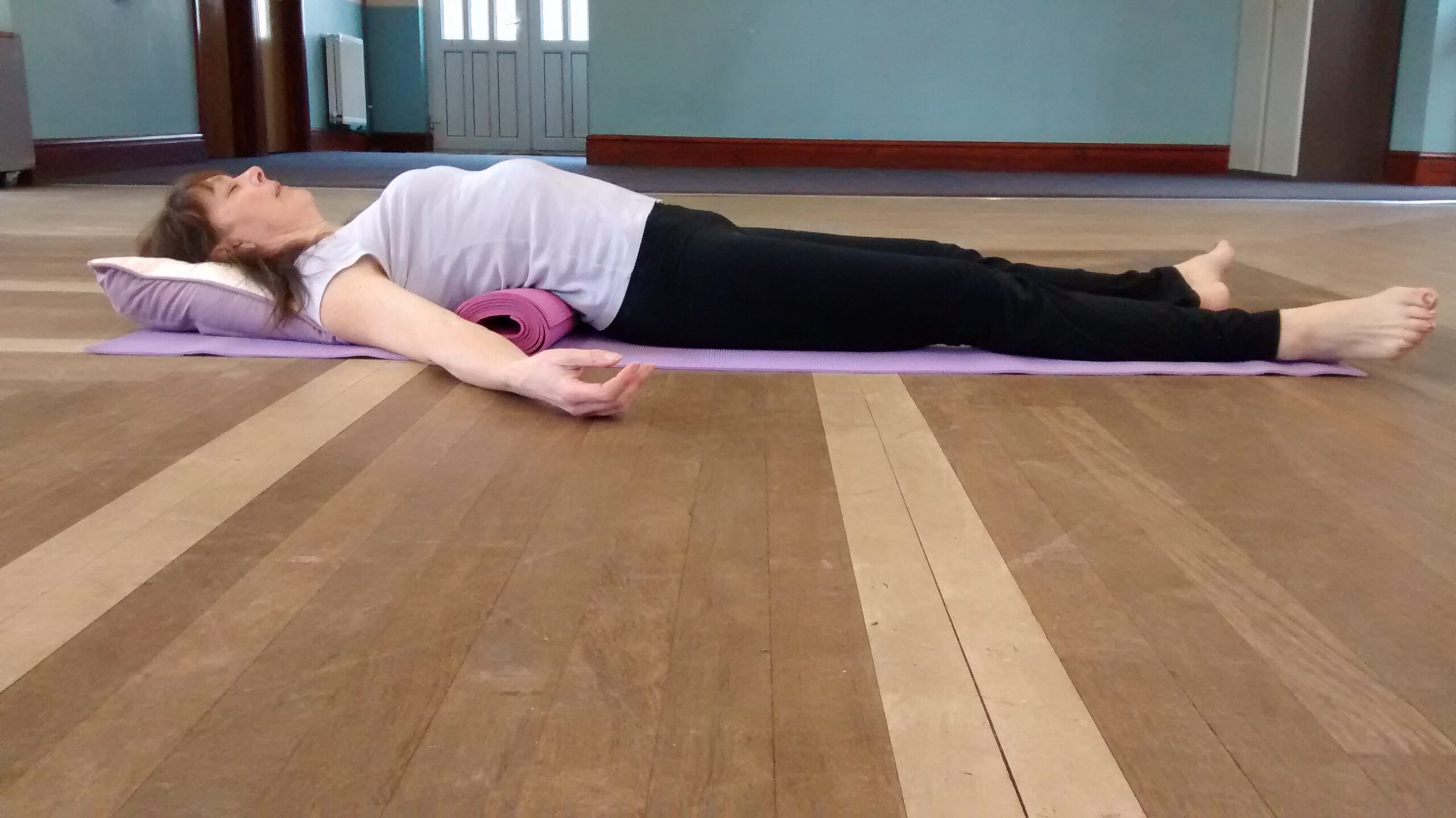
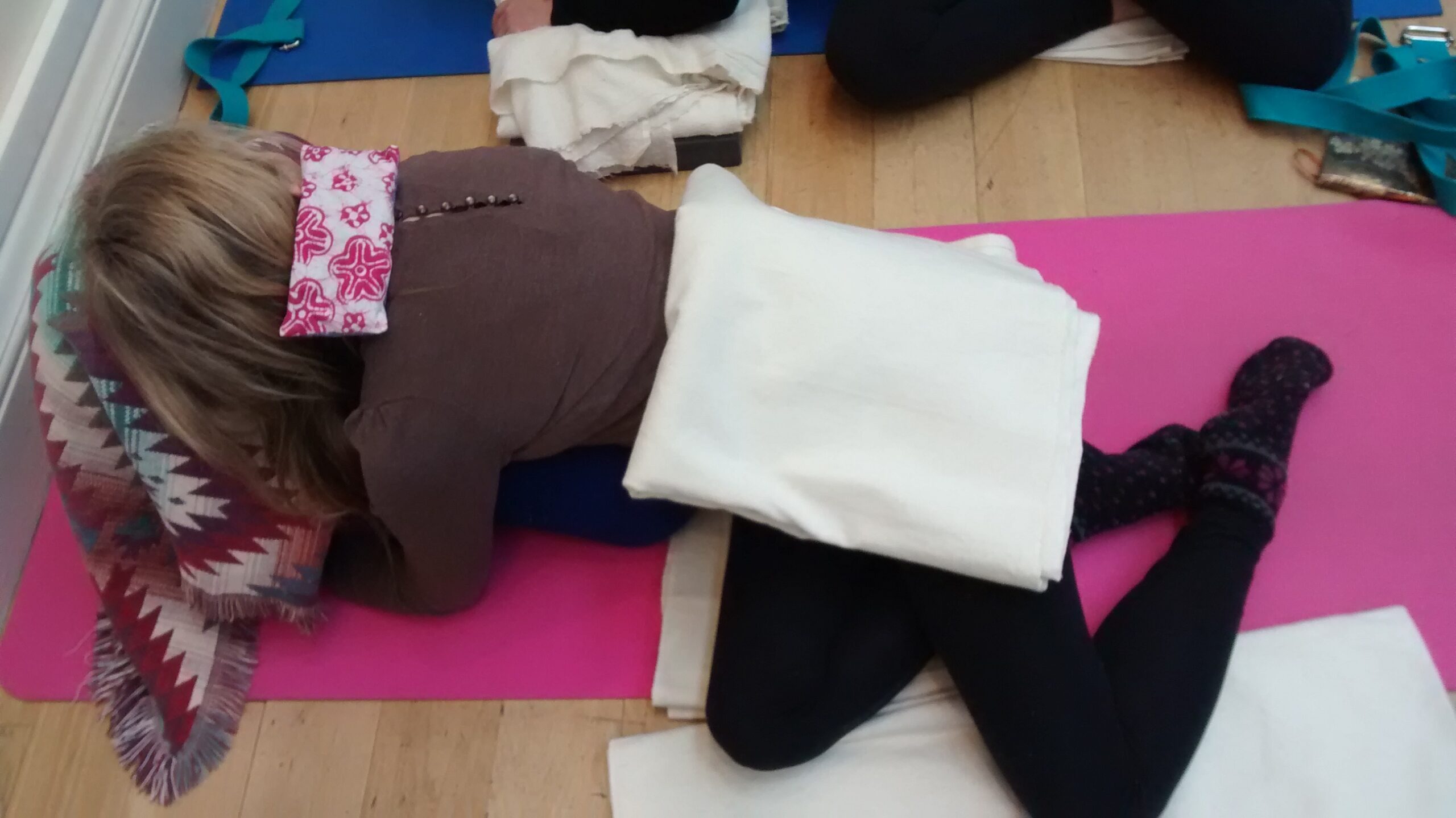
Restorative classes are held on the last class of each term (last week of the second month – usually week eight or nine). A restorative class gives the mind and body the opportunity to relax completely. Postures are not held at all, as a range of props are used to fully support the body in the pose. The intention of a restorative class is to completely let go, rest, restore and drift off …
To be able to fully support your body in a restorative class, you will need to bring all that you would bring to a yin class, and also:
1-2 x extra blankets. 1 x thin hand towel. 1 x eyebag (optional). Fluffy socks (optional) Cotton or non-woolly scarf (optional)
So there you have it. Everything you need to know about props and when to use them!
Tonight, and Thursday morning, sees our usual end of term Restorative Yoga practice. As with the usual Hatha and Yin classes, each Restorative session varies. Having said that, every Restorative class is an opportunity to be completely held and supported physically, mentally and emotionally. Together we shall sink down into a place of peacefulness and deep rest.
Bring blankets and bolsters or firm cushions/pillows, eye-bags and head-scarves and prepare to simply be!