
As you read this, how much effort are you putting int o it? Are you relaxed? Or tense and conscious of the time it is taking you? Are you reading it slowly because you are interested? Or scanning through because you have a to-do list as long as your arm and you should really be getting on with something else?
How much effort do you put into the following areas of your life?:
- Work/business/career/running a home?
- Your partner/children?
- Your friends and wider family?
- Your hobbies and interests?
- Your self and your own personal development?
Would I be right in saying that the majority of your efforts go into the first three categories? Have you ever stopped to consider why this is? Is it because you believe it is “selfish” to put your interests and your self before others? Is it because you “don’t have the time” to think about your self, let alone actually have hobbies and interests?
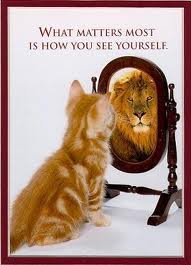
If you have just read the above and agreed with even some of it, then just stop for a moment and think (yes, you can spare a moment). Whose life are you livin g? Your bosses? Your clients? Your childrens? Husbands? Parents? … or Yours? Who is the only person who can ever really know exactly what it is that ensures your happiness, peace of mind, contentment? And who is the only person who should really be expected to put in the time and commitment to ensure that happiness, peace of mind and contentment?
Putting a little effort into You will help to build your resilience, improve your self-esteem, your mood, your health and your relationships, it will have a dramatic effect on the whole of your life.
Food for thought … it just takes a little effort. Every now and then take the above five categories and turn them upside down … It will do you good!

 dy/mind. Right now your emotions may be a raging torrent of anger, frustration or desperation, or maybe a gentle loving stream of contentment, or even a pool of calm and peacefulness. Whatever type of emotion is present within you, it will affect your thinking, your behaviour and your perception of the current moment.
  instead of frustration, and joy instead of anger, is to be more aware of our thoughts and to choose them wisely. If you don’t want to be unhappy, you can learn to challenge those unhappy thoughts, release them and change them for neutral or happy thoughts. If you no longer wish to feel stuck, then lift the lid to your thoughts and allow yourself to create the answers you need for change in your life. It may sound simple and that is because it is actually very straightforward.
  emotions and sticking to it. With a little determination, some support from people around you and maybe some professional guidance, you can decide to choose your thoughts and manage your emotions successfully.
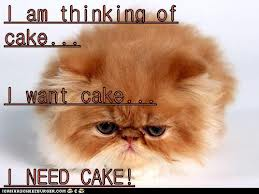 ander around the shops in our local towns on a Saturday, passing increasing numbers of bakers, chip shops, burger bars, fast food shops, cafes, restaurants … the choice is seemingly limitless. We go home and sit in front of our television screen where we are shown advertisement after advertisement encouraging us to try this new food or that one. It is not surprising that we find ourselves giving in to temptation and eating something we hadn’t planned to, didn’t need to, and often didn’t really want to eat!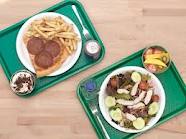
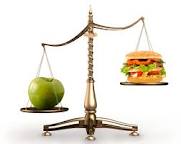 ou are about to go in the bakers/chip shop or wherever, try this experiment in food awareness: Stop and ask yourself why you are going in. Are you genuinely hungry? Does your body need that sort of food? Could you be kinder to your body and give it something it really needs, rather than something you feel you want?
 ps:
ps: ng heart disease, hypertension, diabetes, osteoporosis and a number of diet-related cancers such as: colon, breast, cervix, gall bladder, ovary, thyroid, kidney, prostate and esophagus. The added benefit of ensuring that you are eating a nutritional diet is that your body will function at its optimal best which means that you will naturally feel better too.
 e hedge count. Research shows that exercise results in: up to a 35% lower risk of coronary heart disease and stroke; up to a 50% lower risk of type 2 diabetes; up to a 50% lower risk of colon cancer; up to a 20% lower risk of breast cancer; a 30% lower risk of early death and, a 30% lower risk of depression.
 This is the experience of “losing yourself in the moment” or, as sports players say, “being in the zone.” Pitch the task correctly by choosing something that is challenging but achievable and then lose yourself in it. Immersing yourself in this way allows you to “switch off” from all your everyday concerns and experience a greater enjoyment of life.
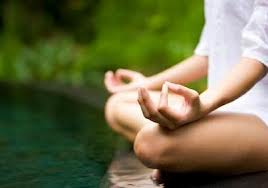 n we are more self aware we are naturally better able to make choices that are good for us deep down without being so affected by external influences. Self-awareness builds trust in our own judgement and facilitates a happier level of being.
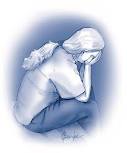 ain—a change of more than 5% of body weight in a month.
 e or embarrassment associated with suffering from depression. Depression, like asthma or a broken leg, is a medical condition, and like any medical condition it responds much better to prompt diagnosis and treatment. If you suspect that either your or somebody you know may be suffering from low mood or depression, a visit to your doctor is always a good idea.
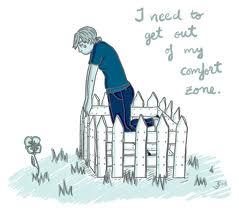 ave our own comfort zones, from that pair of comfy old slippers, to our hobbies, habits and routines and these are what makes our life our own. We choose our friends and our pastimes, we choose what and when we eat and we choose what to belief and think (yes we do). Choosing to change means taking ourselves outside our comfort zone, seeing things from a different perspective and learning new ways to think, feel and behave.
 sought to avoid change and found it frightening, confusing and difficult to adjust to, then you will continue to react in that way unless you decide to do something about it. Change is such a difficult concept for so many of us that companies often run change management programmes to help their employees cope when they are undergoing change within their organisation.

 which constantly supports a person’s life-long held beliefs about himself and the way he should live his life and how his life should be. There are three parts to this loop (i) the behaviour of the person, (ii) the self-talk that he/she persists in, and (iii) his/her own self-image and his or her expectations of his/her self. However, all human beings can choose to change their beliefs and attitudes should they wish to do so, since we choose our own beliefs and attitudes in the first place.
 ect
ect