In Guilt (part one) we looked at the definition of guilt, and the first two types of guilt. So let’s have a look now at the other three main types of guilt, and what to do about them.
Guilt for something you think you did: Our thoughts are so powerful we often talk about our thoughts owning us rather than the reality of us owning our thoughts! Because we can often believe the power of our thoughts without question, they can sometimes lead to irrational beliefs. For example, you wish ill to somebody through your thoughts: “I really hope their prize-winning roses die so that I may have a chance of winning the gardening competition”. Then what happens? You get what you wished for and those flowers die. We irrationally feel guilty, as if our thoughts alone have caused those flowers to die. In some small, unheard, area of your mind, you know that you didn’t really cause those flowers to die – after all, you are not omnipotent – so why do you feel so guilty? Remember that actions, not thoughts cause harm, and let the guilt go.
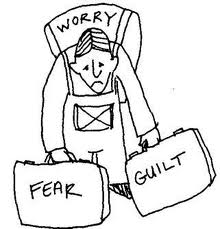
Guilt that you didn’t do enough to help someone: If you, like many others, are kind hearted, conscientious and caring, then you are more prone to feeling this type of guilt. You may have given hours of your free time to help somebody who was maybe ill, or unhappy, lonely or  struggling. However, you may also find that however much you do, you still feel that it wasn’t enough when that person is still sad, lonely, or unwell. The guilt starts to get to you and you try desperately to carry on helping them, despite the toll it’s taking on you. This type of emotional and/or physical burnout is sometimes called ‘compassion fatigue’ and is usually used to describe a condition found amongst professional helpers. Adding to the overall emotional drain of the situation is the guilt you overlay on top of the fatigue because you think you should be doing more. What is most important in this situation is to separate your feelings around why you want to help. Is it because you just want to be of help and support, or because you fear that the guilt will overwhelm you if you don’t? Acting out of guilt can only drain you further and ultimately make you a less effective helper.
Guilt that you’re doing better than someone else: The term ‘survivor guilt’ is applied to those people who survive a traumatic event in which others do not survive, or are perceived to suffer more deeply than the survivor. This condition is recognised by professionals who work with those combat veterans who outlive their fellow troops.
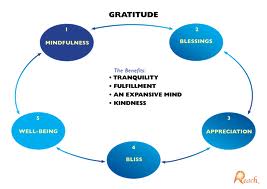
Survivor guilt can also be felt by those who feel they have made a better life for themselves than their family or friends or even (if you are very compassionate) than those who are simply less fortunate. This irrational form of guilt can deeply affect the quality of a person’s life as 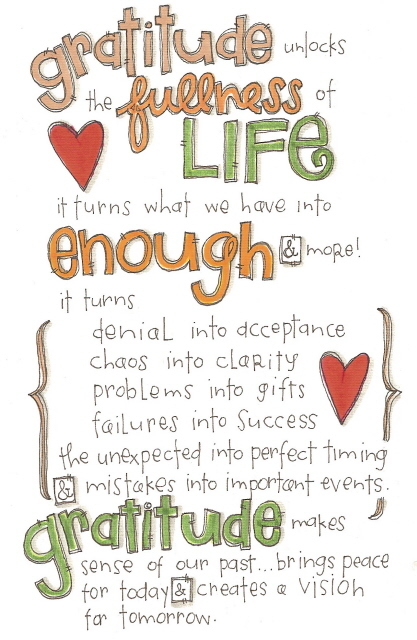 he may well over-compensate financially, emotionally or in other ways. The only way you can effectively cure survivor guilt is to turn that guilt into gratitude. Remind yourself how grateful you are for your life and the opportunities you have had. Also remember that others would derive no benefit should you fail (or not have survived a disaster), and so you may as well appreciate and enjoy your success.
You can’t live a completely guilt-free life however, by being consciously aware of, monitoring, your thoughts and converting guilt to remorse, you can keep it within manageable bounds. If there is a positive side to guilt, it is that it can help you to understand yourself better and to question your motives, your attitudes and your actions. By recognising when you have done wrong, you can seek to recompense, let go of the destructive feelings of guilt and behave differently in the future.
Free Your Thoughts – Life Your Life!








 g? Your bosses? Your clients? Your childrens? Husbands? Parents? … or Yours? Who is the only person who can ever really know exactly what it is that ensures your happiness, peace of mind, contentment? And who is the only person who should really be expected to put in the time and commitment to ensure that happiness, peace of mind and contentment?
 dy/mind. Right now your emotions may be a raging torrent of anger, frustration or desperation, or maybe a gentle loving stream of contentment, or even a pool of calm and peacefulness. Whatever type of emotion is present within you, it will affect your thinking, your behaviour and your perception of the current moment.
  instead of frustration, and joy instead of anger, is to be more aware of our thoughts and to choose them wisely. If you don’t want to be unhappy, you can learn to challenge those unhappy thoughts, release them and change them for neutral or happy thoughts. If you no longer wish to feel stuck, then lift the lid to your thoughts and allow yourself to create the answers you need for change in your life. It may sound simple and that is because it is actually very straightforward.
  emotions and sticking to it. With a little determination, some support from people around you and maybe some professional guidance, you can decide to choose your thoughts and manage your emotions successfully.
 ander around the shops in our local towns on a Saturday, passing increasing numbers of bakers, chip shops, burger bars, fast food shops, cafes, restaurants … the choice is seemingly limitless. We go home and sit in front of our television screen where we are shown advertisement after advertisement encouraging us to try this new food or that one. It is not surprising that we find ourselves giving in to temptation and eating something we hadn’t planned to, didn’t need to, and often didn’t really want to eat!
 ou are about to go in the bakers/chip shop or wherever, try this experiment in food awareness: Stop and ask yourself why you are going in. Are you genuinely hungry? Does your body need that sort of food? Could you be kinder to your body and give it something it really needs, rather than something you feel you want?
 ain—a change of more than 5% of body weight in a month.
 e or embarrassment associated with suffering from depression. Depression, like asthma or a broken leg, is a medical condition, and like any medical condition it responds much better to prompt diagnosis and treatment. If you suspect that either your or somebody you know may be suffering from low mood or depression, a visit to your doctor is always a good idea.