
Feelings are powerful. They dictate our actions, behaviours and beliefs – fact. They are so powerful that we have no control  over them – not fact. When we exercise power over our feelings we are choosing, to a much greater extent, how we feel. Our feelings are largely influenced by our thoughts and our thoughts are the result of our previous experiences, influences and beliefs in any situation. Therefore if you have learned to feel guilty if somebody around you is upset, you will most likely feel guilty. If your first reaction to perceived aggression is to retaliate in anger then you will become angry.
So how can we go about reacting differently? The simplest way is to change our thoughts. And that’s where things become interesting. We have ultimate control over our thoughts. Nobody else has any power at all over them, unless we we give them that power. We can choose to perceive any situation, person or event in our own inimitable way. In order to change our thoughts we have to know that we are capable of doing so. If you believe a particular person will annoy you because he “always gets on my nerves” then chances are he is going to annoy you. If you tell yourself that he isn’t going to affect you anymore, you have a very strong chance that he won’t.
Give it a try. Next time you feel angry, sad, low, guilty, frustrated,  envious, upset or offended, don’t react, pause for thought. Literally. Be aware of what is going around your head, and then consider changing those thoughts. You can control your day to great effect if you get into the habit of re-thinking before re-acting.
I would love to hear your comments about this or any other of my blogs. Please feel free to use the contact page.
 g? Your bosses? Your clients? Your childrens? Husbands? Parents? … or Yours? Who is the only person who can ever really know exactly what it is that ensures your happiness, peace of mind, contentment? And who is the only person who should really be expected to put in the time and commitment to ensure that happiness, peace of mind and contentment?
 dy/mind. Right now your emotions may be a raging torrent of anger, frustration or desperation, or maybe a gentle loving stream of contentment, or even a pool of calm and peacefulness. Whatever type of emotion is present within you, it will affect your thinking, your behaviour and your perception of the current moment.
  instead of frustration, and joy instead of anger, is to be more aware of our thoughts and to choose them wisely. If you don’t want to be unhappy, you can learn to challenge those unhappy thoughts, release them and change them for neutral or happy thoughts. If you no longer wish to feel stuck, then lift the lid to your thoughts and allow yourself to create the answers you need for change in your life. It may sound simple and that is because it is actually very straightforward.
  emotions and sticking to it. With a little determination, some support from people around you and maybe some professional guidance, you can decide to choose your thoughts and manage your emotions successfully.
 ander around the shops in our local towns on a Saturday, passing increasing numbers of bakers, chip shops, burger bars, fast food shops, cafes, restaurants … the choice is seemingly limitless. We go home and sit in front of our television screen where we are shown advertisement after advertisement encouraging us to try this new food or that one. It is not surprising that we find ourselves giving in to temptation and eating something we hadn’t planned to, didn’t need to, and often didn’t really want to eat!
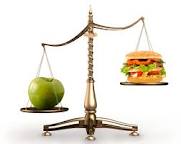 ou are about to go in the bakers/chip shop or wherever, try this experiment in food awareness: Stop and ask yourself why you are going in. Are you genuinely hungry? Does your body need that sort of food? Could you be kinder to your body and give it something it really needs, rather than something you feel you want?
 ain—a change of more than 5% of body weight in a month.
 e or embarrassment associated with suffering from depression. Depression, like asthma or a broken leg, is a medical condition, and like any medical condition it responds much better to prompt diagnosis and treatment. If you suspect that either your or somebody you know may be suffering from low mood or depression, a visit to your doctor is always a good idea.
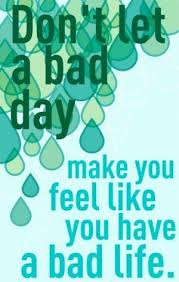

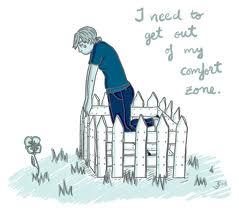 ave our own comfort zones, from that pair of comfy old slippers, to our hobbies, habits and routines and these are what makes our life our own. We choose our friends and our pastimes, we choose what and when we eat and we choose what to belief and think (yes we do). Choosing to change means taking ourselves outside our comfort zone, seeing things from a different perspective and learning new ways to think, feel and behave.
 sought to avoid change and found it frightening, confusing and difficult to adjust to, then you will continue to react in that way unless you decide to do something about it. Change is such a difficult concept for so many of us that companies often run change management programmes to help their employees cope when they are undergoing change within their organisation.

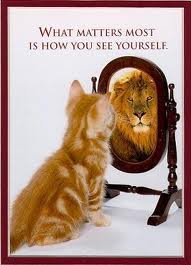 which constantly supports a person’s life-long held beliefs about himself and the way he should live his life and how his life should be. There are three parts to this loop (i) the behaviour of the person, (ii) the self-talk that he/she persists in, and (iii) his/her own self-image and his or her expectations of his/her self. However, all human beings can choose to change their beliefs and attitudes should they wish to do so, since we choose our own beliefs and attitudes in the first place.
 ect
ect